

All our wool textiles are of the highest quality and are either certified with Oeko-Tex® or the EU Ecolabel, or made from recycled materials. With these certifications, you can be sure that the textiles have been tested for harmful substances. Several of the wool textiles are also made from recycled materials, which helps to ensure a more responsible production. If you're unsure if wool might be right for you, you can order fabric samples here for free, so you can find the right textile for your specific piece of furniture.
WOOL
A natural high-quality material
Wool
Wool is a timeless and versatile material that has been valued for centuries for its durability, comfort, and aesthetic appeal. By using wool for your furniture, you bring a unique combination of quality and naturalness into any room. The natural properties of wool make it ideal for your furniture. It is durable, naturally resistant to dirt, and has a natural elasticity that ensures the fabric fits beautifully on your furniture for many years to come. In addition, wool has excellent insulation properties, making it warm in the winter and colder in the summer.
sustainability
Certified or recycled materials
Durable quality materials
It is our responsibility to give you the option to choose a textile for your chair or sofa that is either certified or made from recycled materials. That's why we've made it easy for you to choose, as all textiles with us are either certified or made from recycled materials. At the same time, with our wool textiles, you get a material that can last for many years to come. If you choose a wool textile for your furniture, you get a natural material that is incredibly durable.
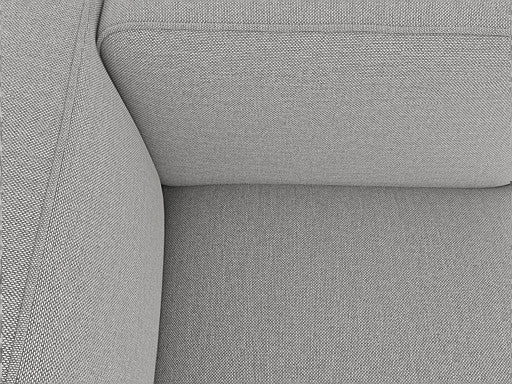
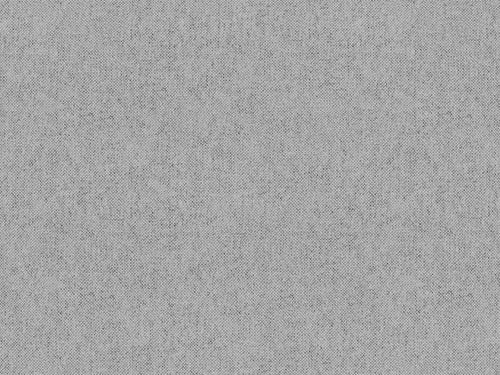
Discover the wide selection
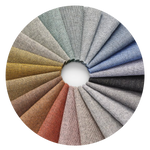
You can experience 8 different wool textiles.
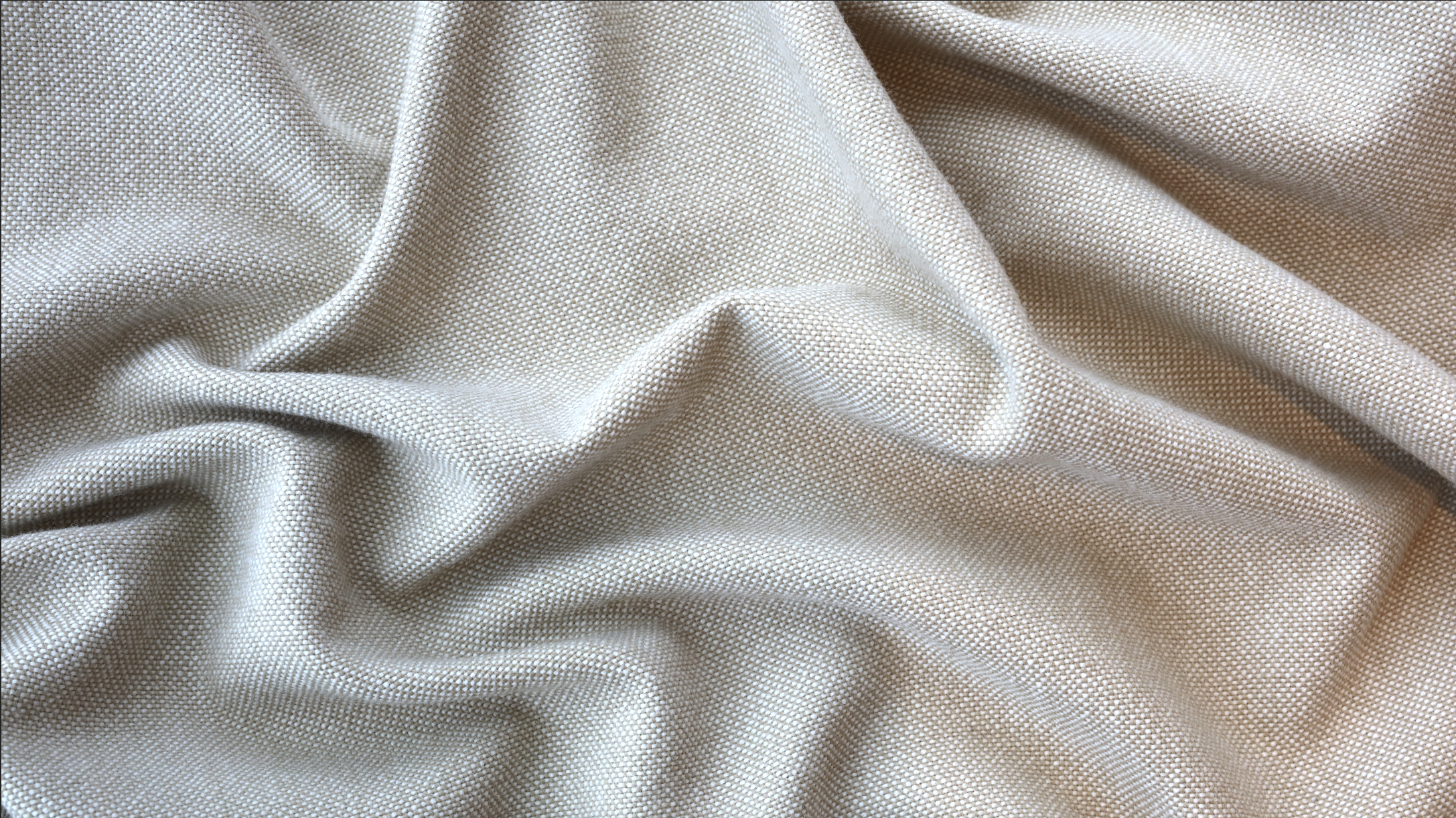
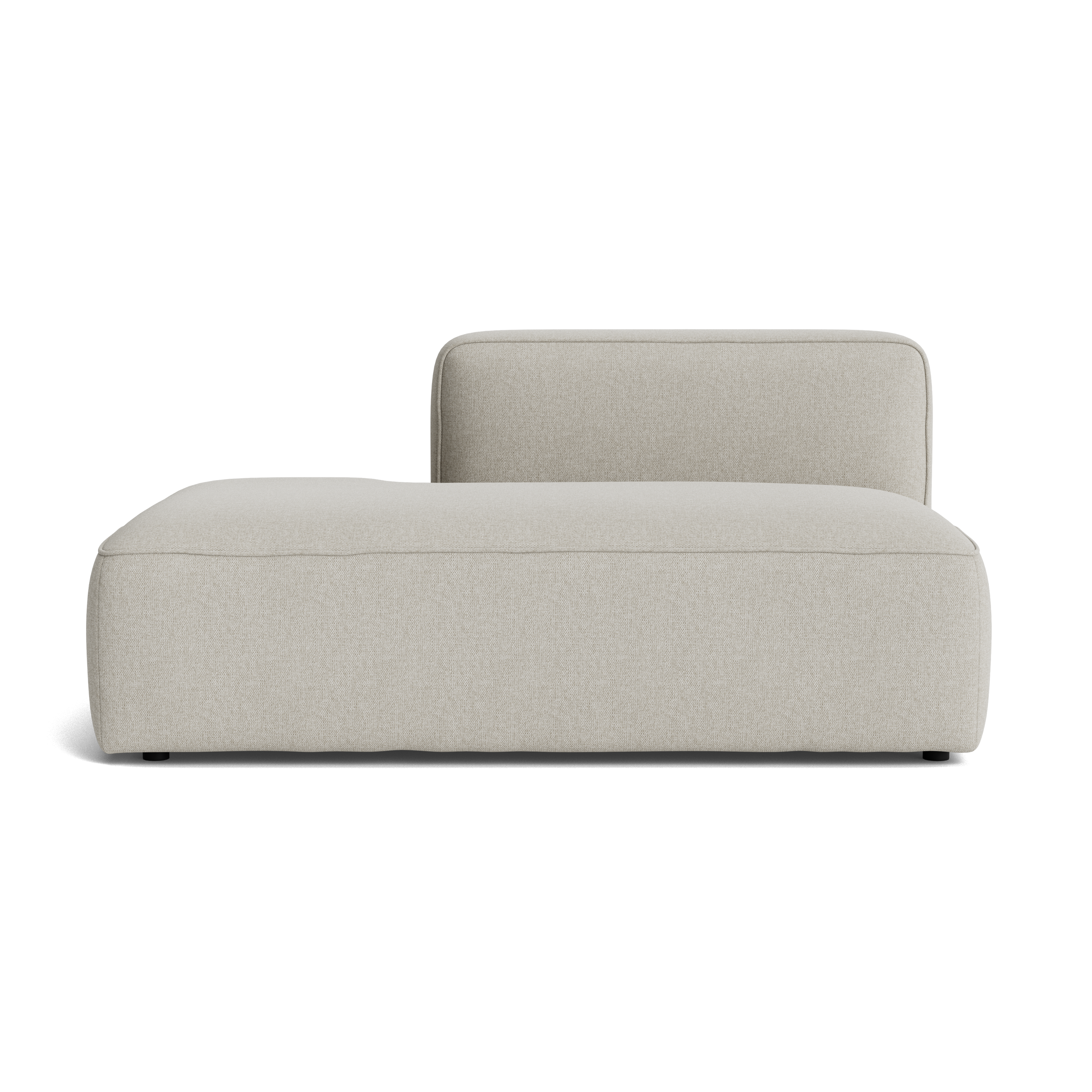
Recycled materials
Here you get long-lasting quality furniture, so we together can counteract the "buy-and-throw-away" culture and leave as small a footprint as possible on our shared Earth. Several of our wool textiles are therefore also made from recycled materials, making it easier for you to make sustainable choices when choosing new furniture.
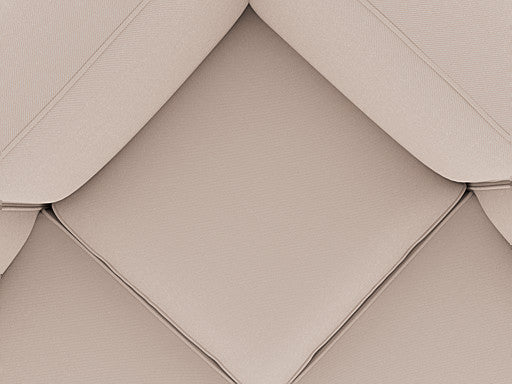
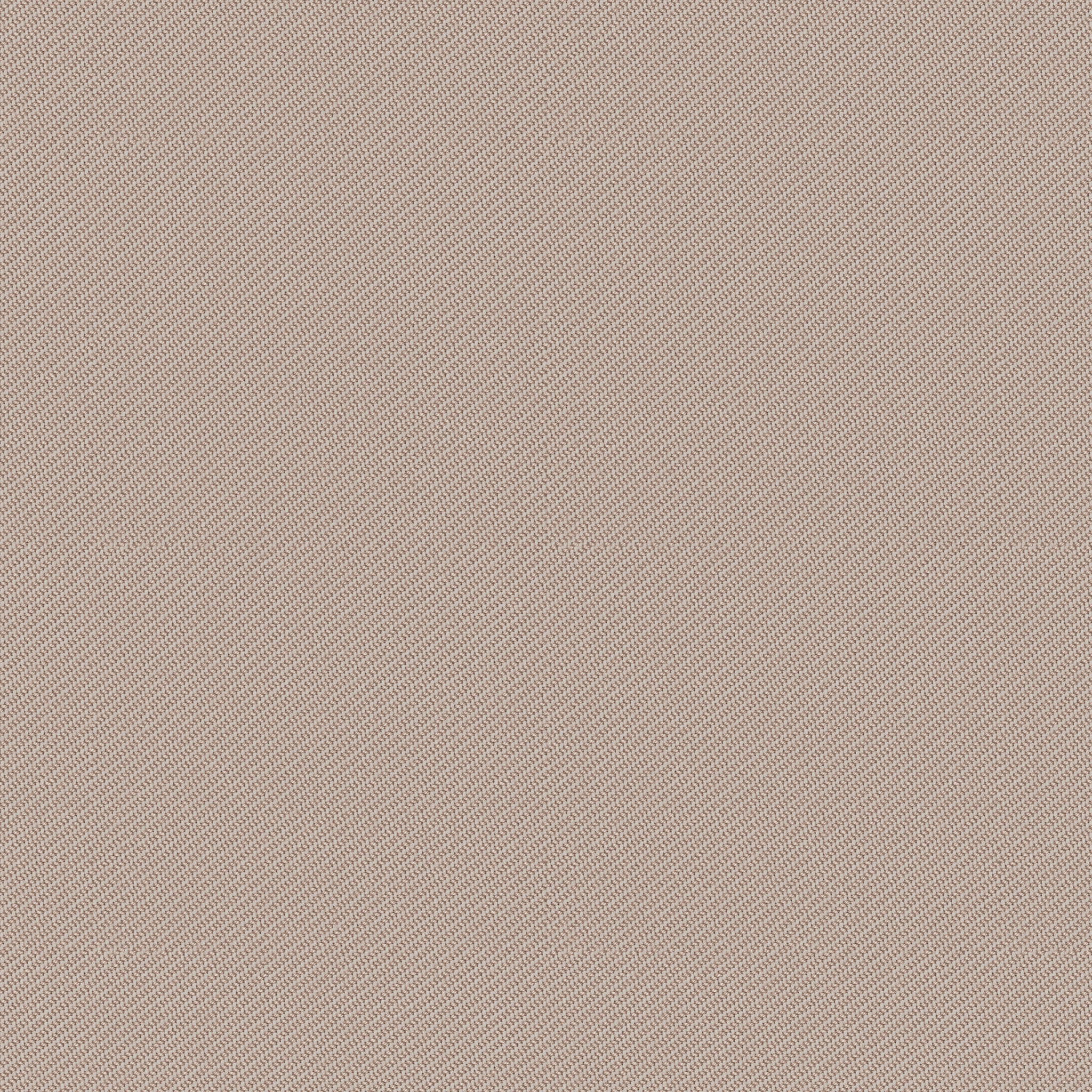
Care and maintenance
1. We always recommend regular vacuuming to prevent dirt from settling and accumulating over time.
2. If stains occur on wool furniture, they should be treated immediately. Use a soft cloth or sponge dipped in a mild soap solution and gently dab at the stain. Avoid rubbing, as it can spread the stain further. Use only a minimal amount of water.
3. Professional cleaning may be a good idea for deeper cleaning or stubborn stains.
3 important qualities
Martindale, pilling, and lightfastness tell something about the textile's durability. Here you can read more about what each of them means and how you should interpret them.
The Martindale test is a standard method used to measure the wear resistance of upholstery fabric. In the test, a machine rubs against the fabric a specific number of times to simulate normal use over time. The higher the number of Martindale cycles a fabric can withstand, the more durable it is. This is an important indicator when choosing fabric for furniture that will be used frequently, such as a sofa or an armchair.
- 10,000 to 15,000 Martindale: Suitable for light use and decorative purposes.
- 15,000 to 25,000 Martindale: Good for regular use in private homes.
- 25,000 to 30,000 Martindale: Very durable, suitable for frequent use in most homes.
- Over 30,000 Martindale: Extremely durable, suitable for frequently used public spaces.
Pilling on furniture refers to the formation of small, fuzz-like balls on the surface of the fabric. This often occurs as a result of friction or wear when fibers loosen from the fabric and roll up into small knots. Pilling is not necessarily a sign of low quality, but it can affect the fabric's appearance and texture. Pilling is typically assessed on a scale from 1 to 5 in tests, where 5 is the best score with minimal pilling and 1 indicates a high degree of pilling. For upholstery fabric, it's ideal to choose a material with a higher pilling score to ensure that it retains its nice appearance over time, especially in furniture that is used frequently, like sofas and armchairs.
It's also worth noting that some textiles, like wool, may naturally pill more at the beginning, but this often decreases over time and with use. There are also tools and methods to remove pilling, such as a fabric shaver, which can help maintain the fabric's appearance.
Lightfastness refers to the fabric's ability to resist color changes when exposed to light, especially sunlight. This is an important property since furniture is often placed in areas where it can be exposed to direct or indirect sunlight, which can lead to fading or changes in color over time.
Lightfastness is assessed on a scale from 1 to 8, where 8 indicates the highest degree of resistance to light-induced fading. A fabric with a high lightfastness value, for example, 6-8, is ideal for furniture in sunny rooms or close to windows, as it will retain its color better over a longer period. Textiles with lower lightfastness values, such as 1-3, are more prone to fade quickly and are better suited for areas with less direct light.
HALLINGDAL 65, Kvadrat
BESTSELLER
Price Group 3
Hallingdal 65 is one of the world’s most iconic wool fabrics, designed in 1965 by Nanna Ditzel for the Danish company Kvadrat. A classic and timeless upholstery fabric that suits any home. The combination of wool and viscose creates a robust texture with depth of color. A safe choice if you want a classic look and very high quality, while the fabric is also easy to maintain.
Specifications:
Composition: 70% wool, 30% viscose
Martindale: 100.000
Pilling: 4-5
Light fastness: 7
Certification: EU Ecolabel
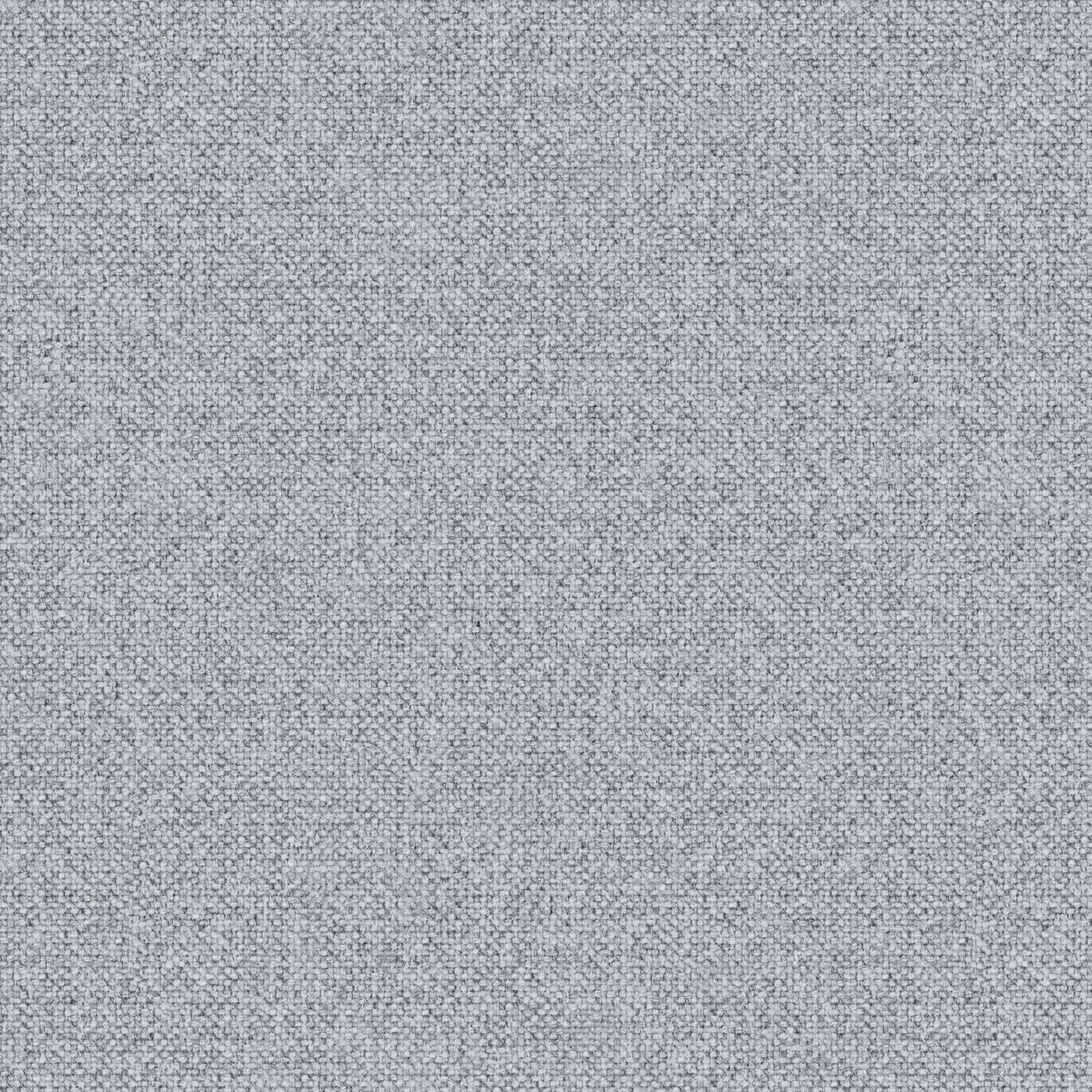
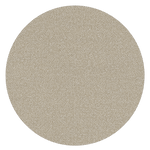
Hallingdal 65 Grey no. 130
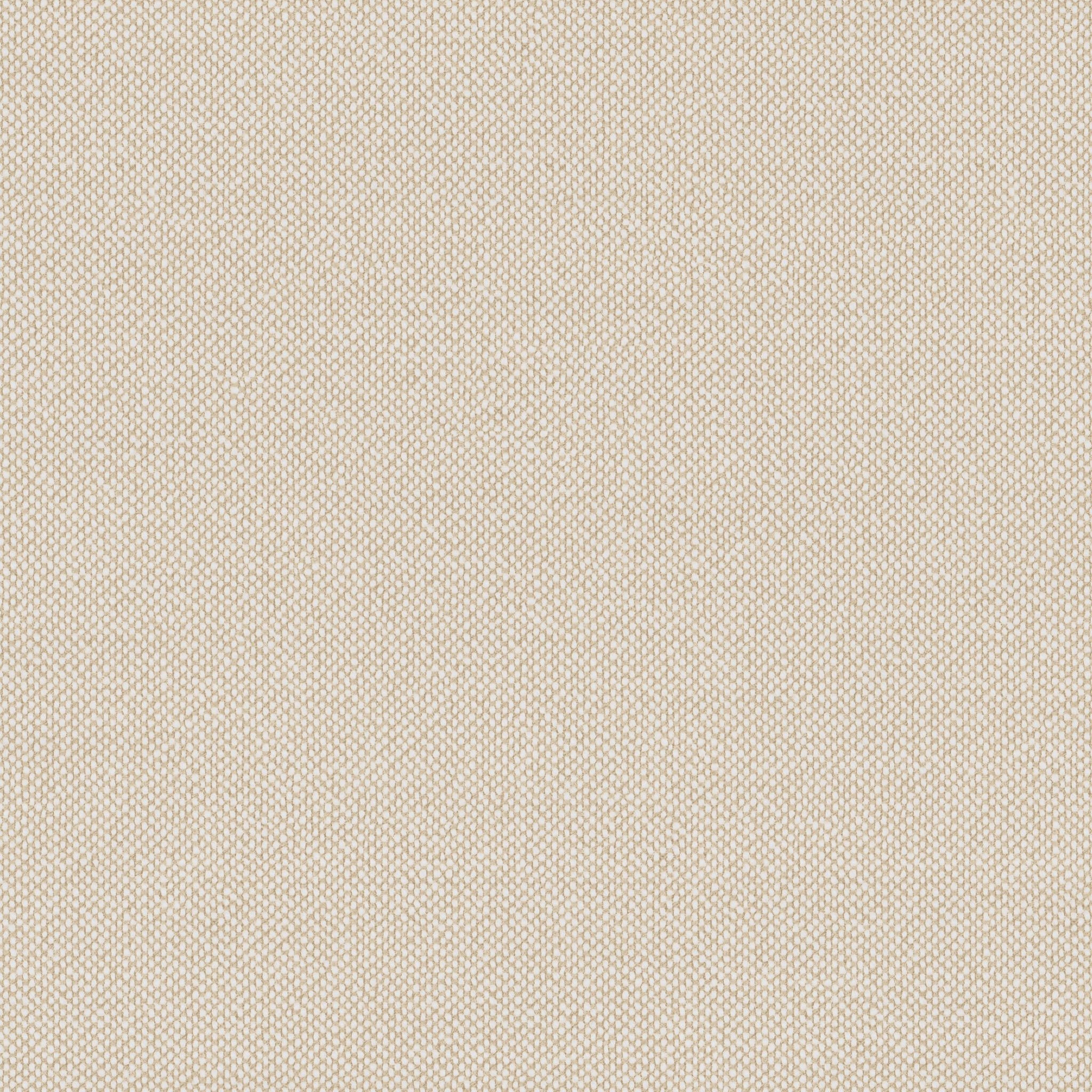
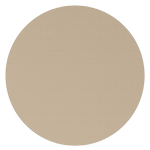
Hallingdal 65 Light Beige nr. 200
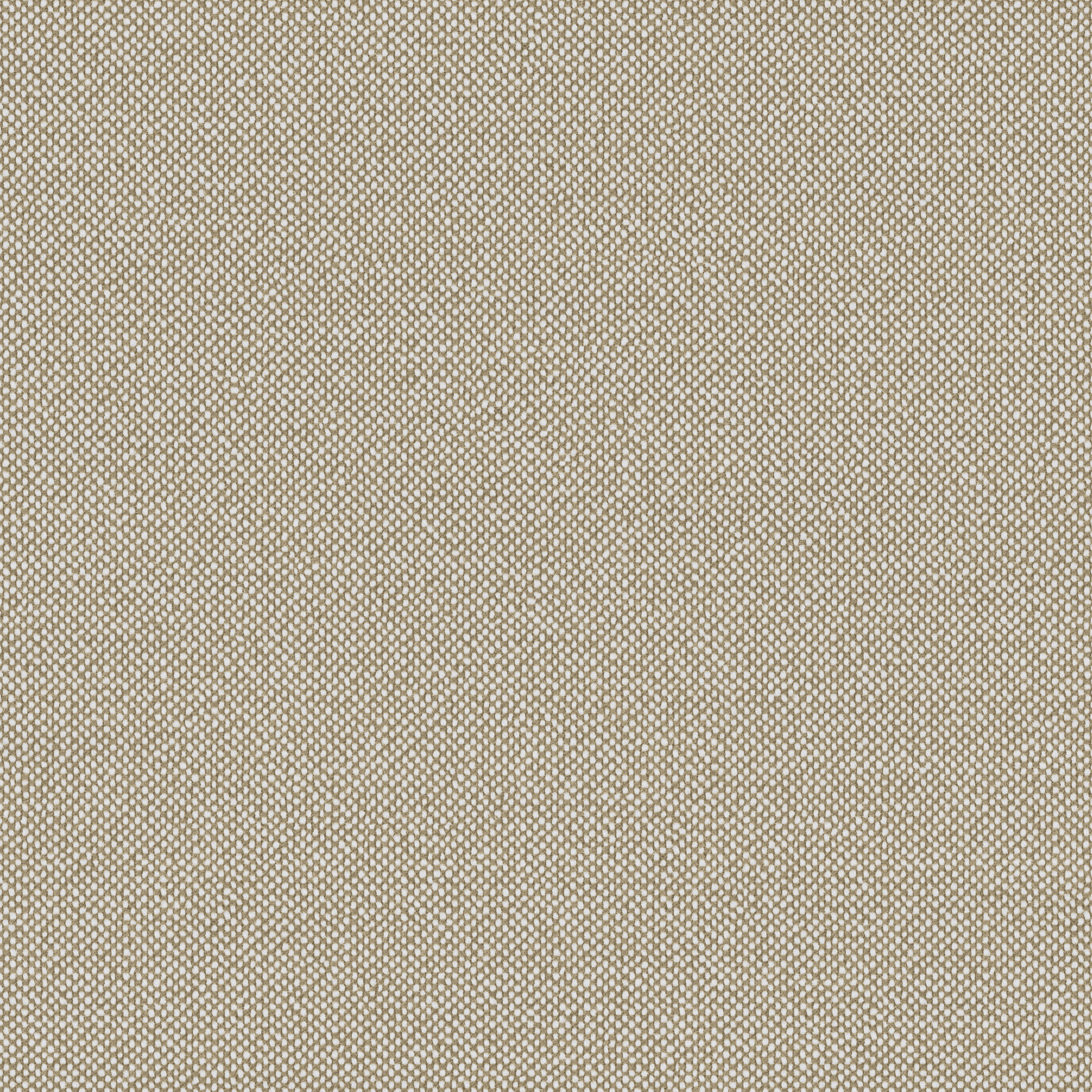
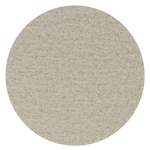
Hallingdal 65 Beige nr. 220
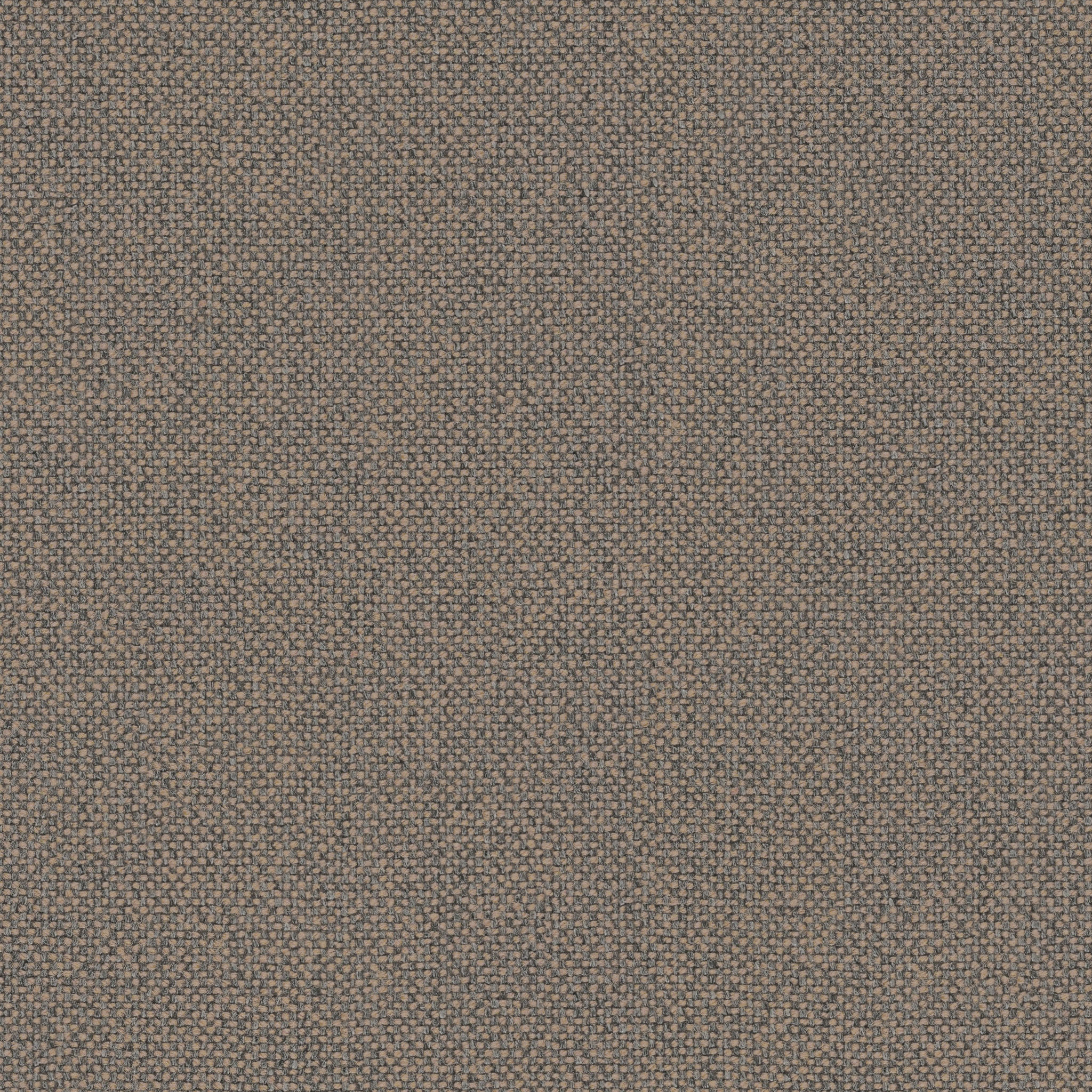
Hallingdal 65 Grey Brown nr. 227
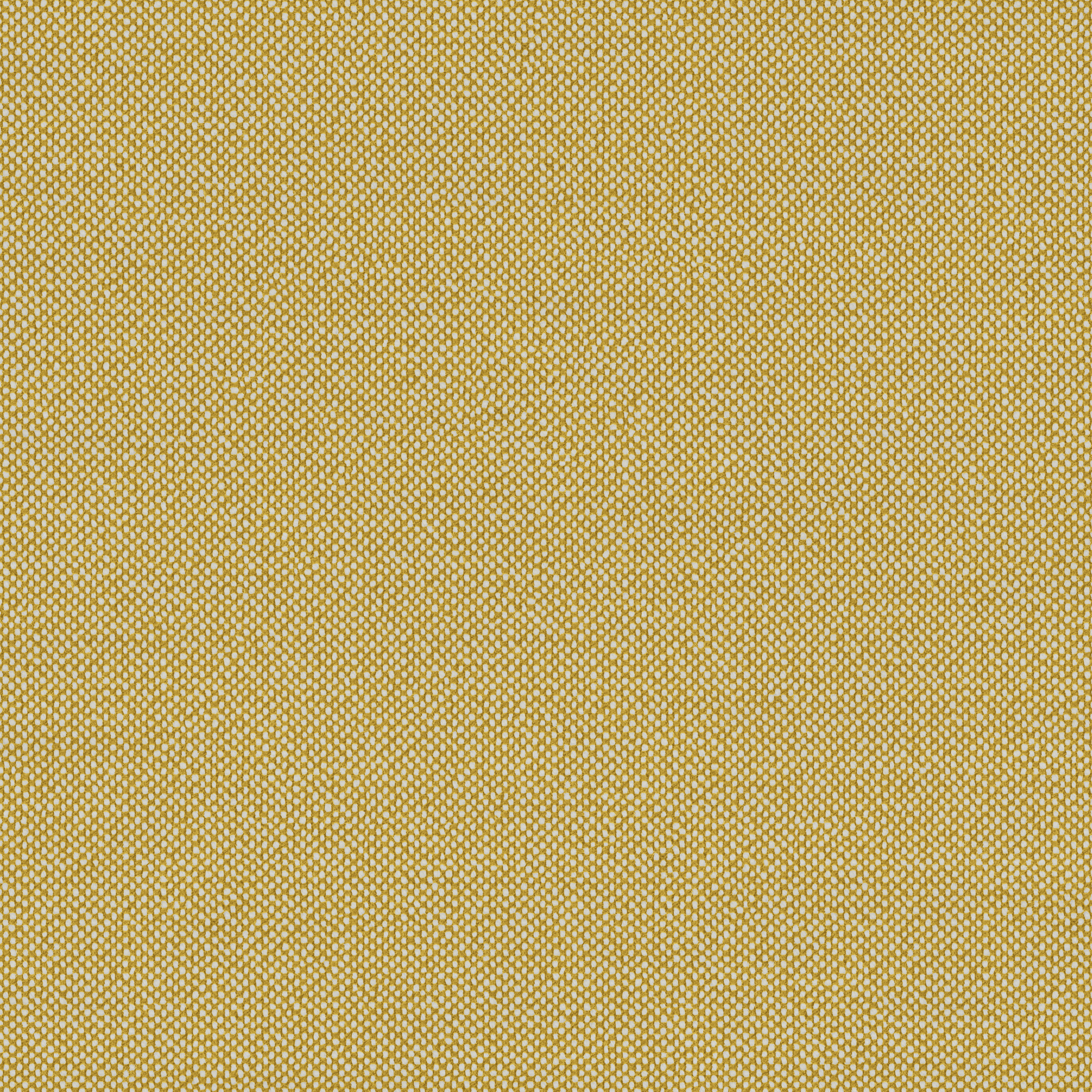
Hallingdal 65 Light Yellow nr. 407
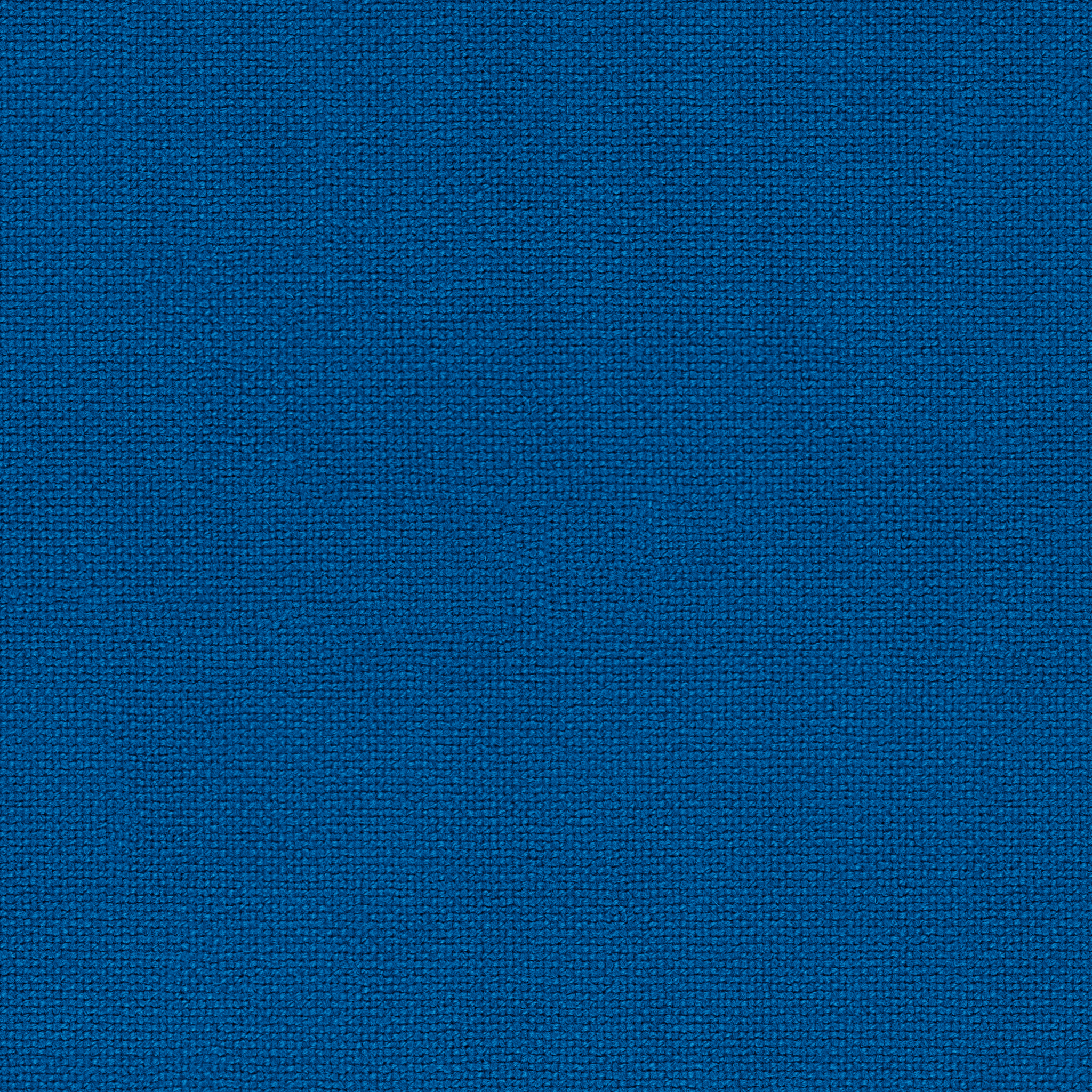
Hallingdal 65 Blue nr. 750
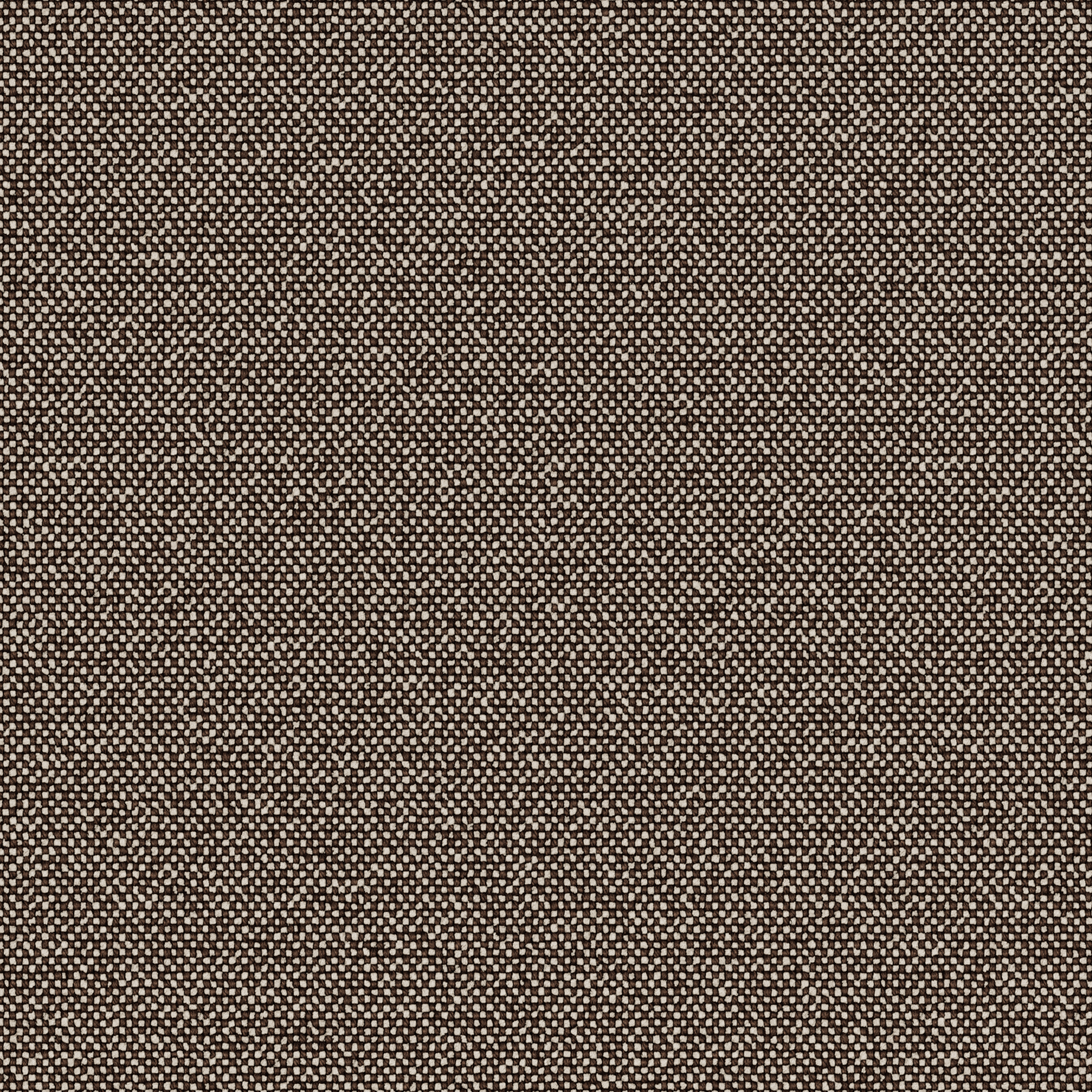
Hallingdal 65 Light Brown nr. 270
RE-WOOL, Kvadrat
Price Group 3
Re-wool is an award-winning upholstery fabric with a sustainable profile from the Danish company Kvadrat. Designed by Margrethe Odgaard. Here you get a durable, honest, and eco-friendly textile, produced by recycling wool leftovers from Kvadrat's own spinning mills. The classic wool fabric has a lively, retro-inspired surface with a combination of colored threads on a darker background. A textile for the conscious consumer, focusing on both the environment and exclusive design.
Specifications:
Design: Margrethe Odgaard
Composition: 45% recycled wool, 45% new wool, 10% nylon
Martindale: 100.000
Pilling: 4
Light fastness: 6-7
Certification: EU Ecolabel
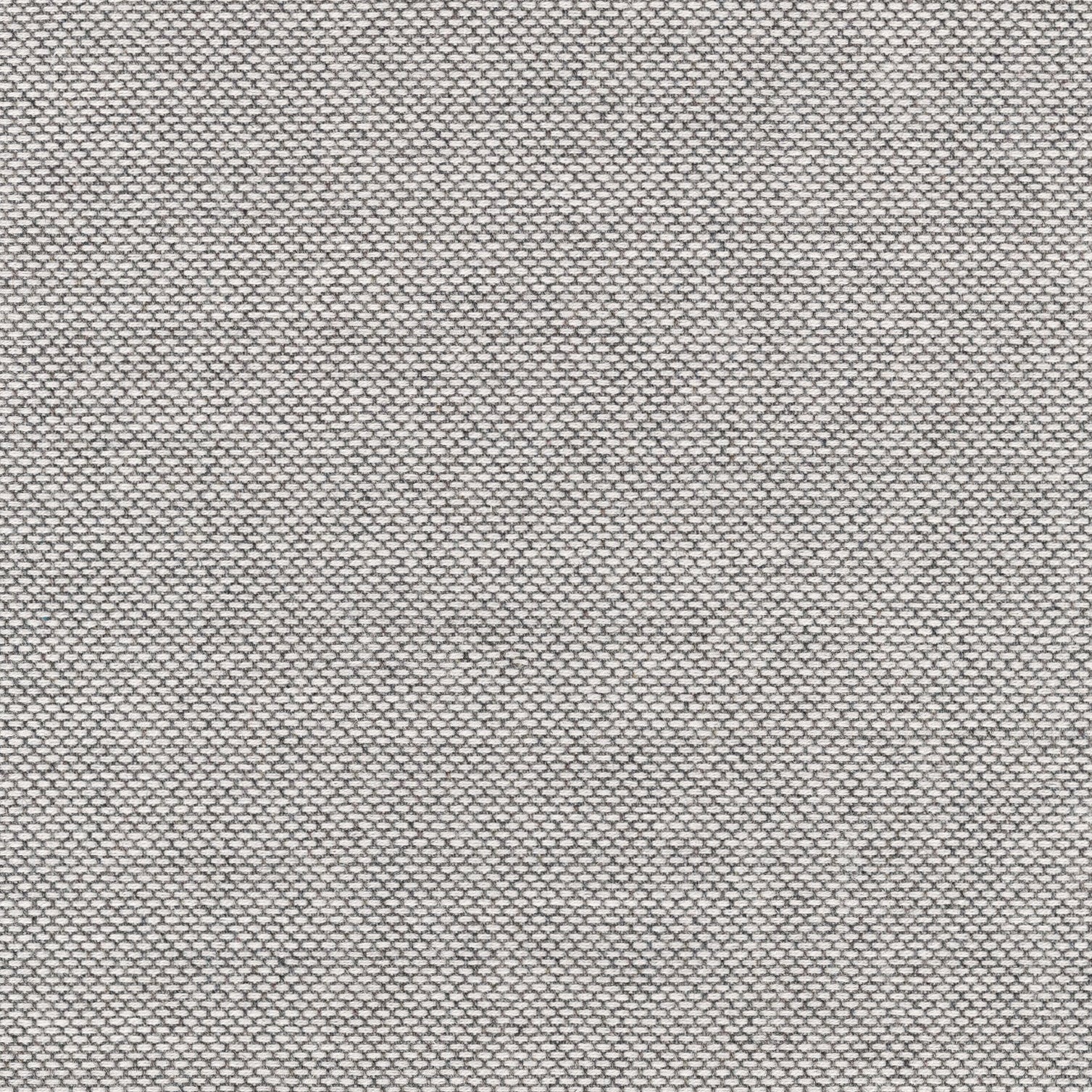
Re-wool Grey no. 128
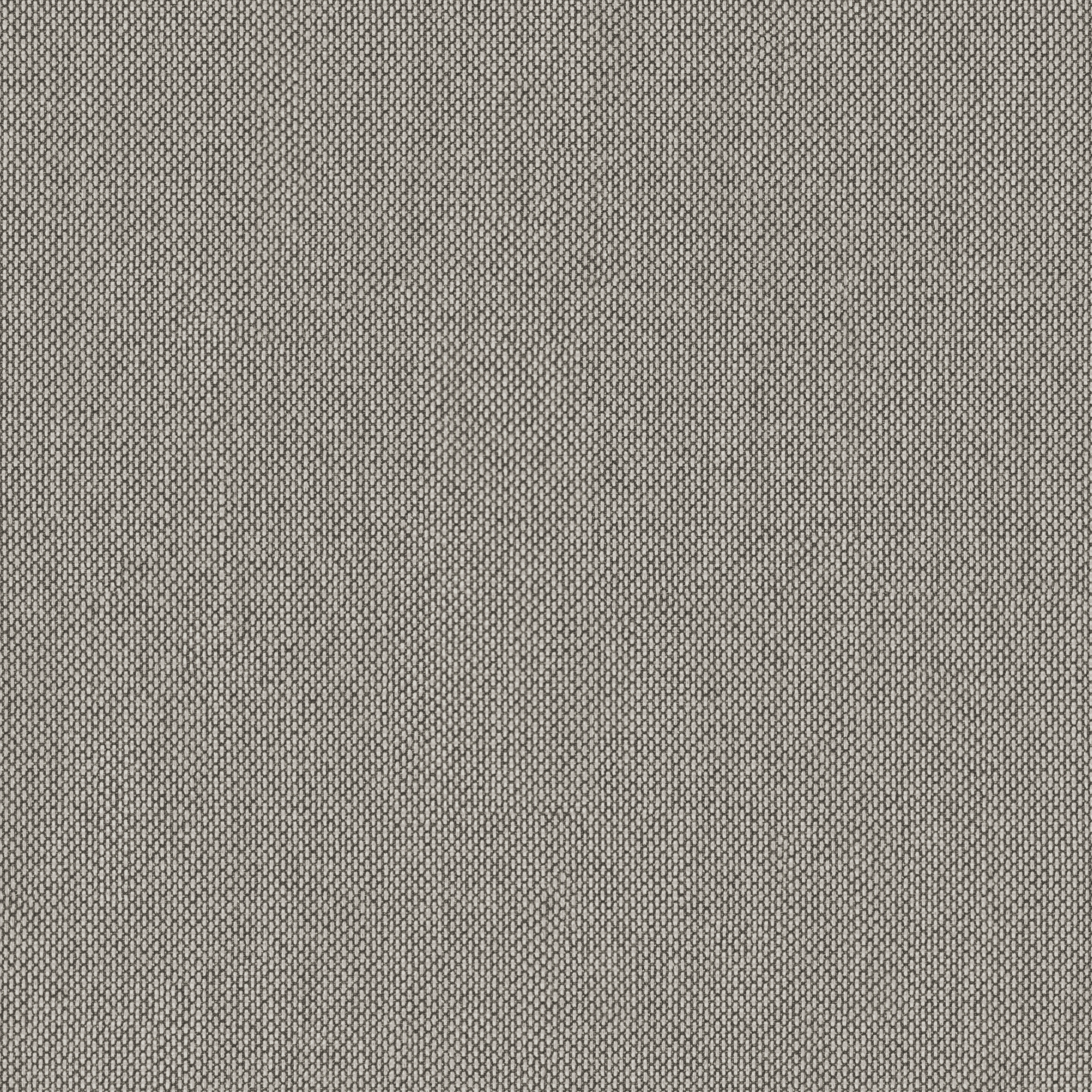
Re-wool Beige no. 218
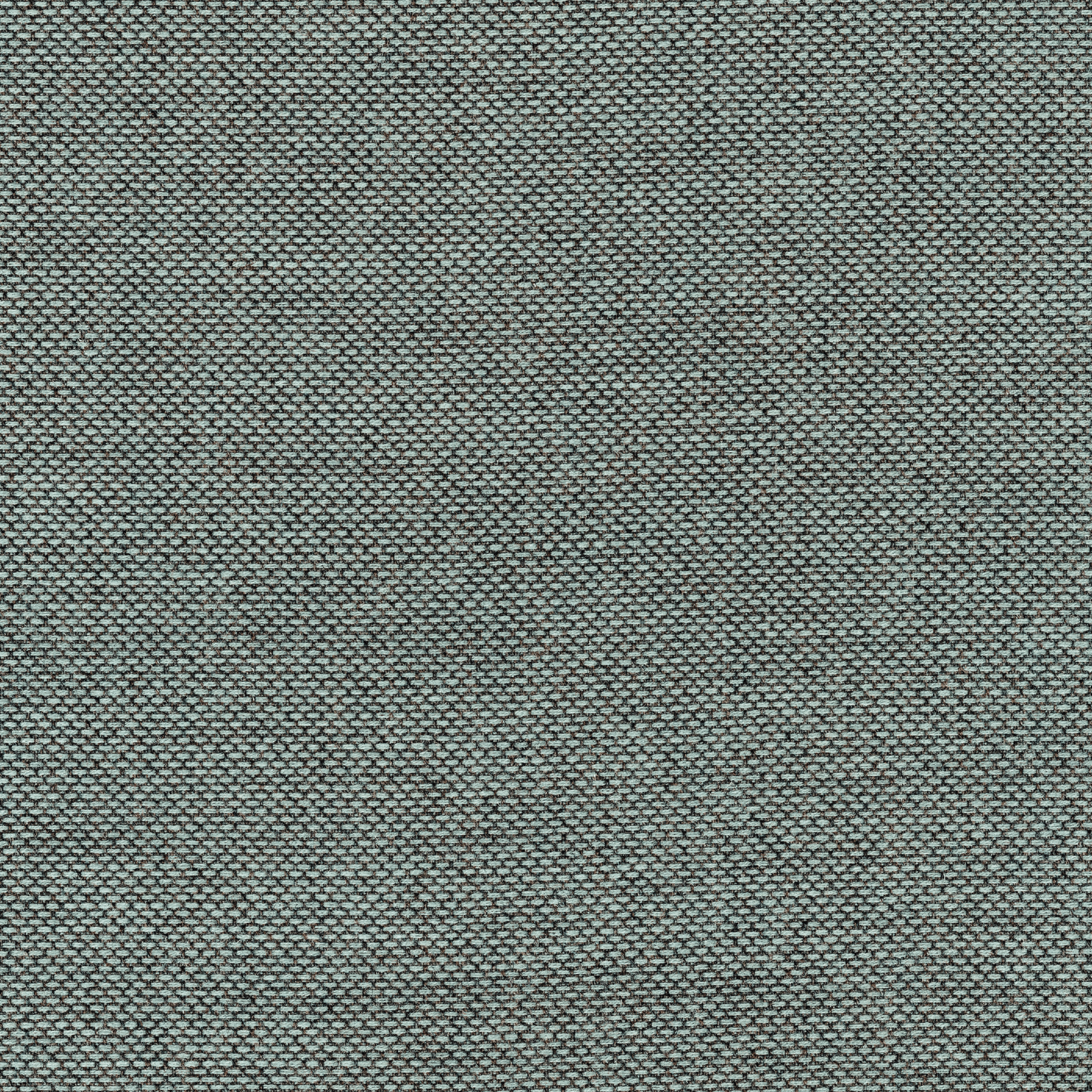
Re-wool Light Green nr. 868
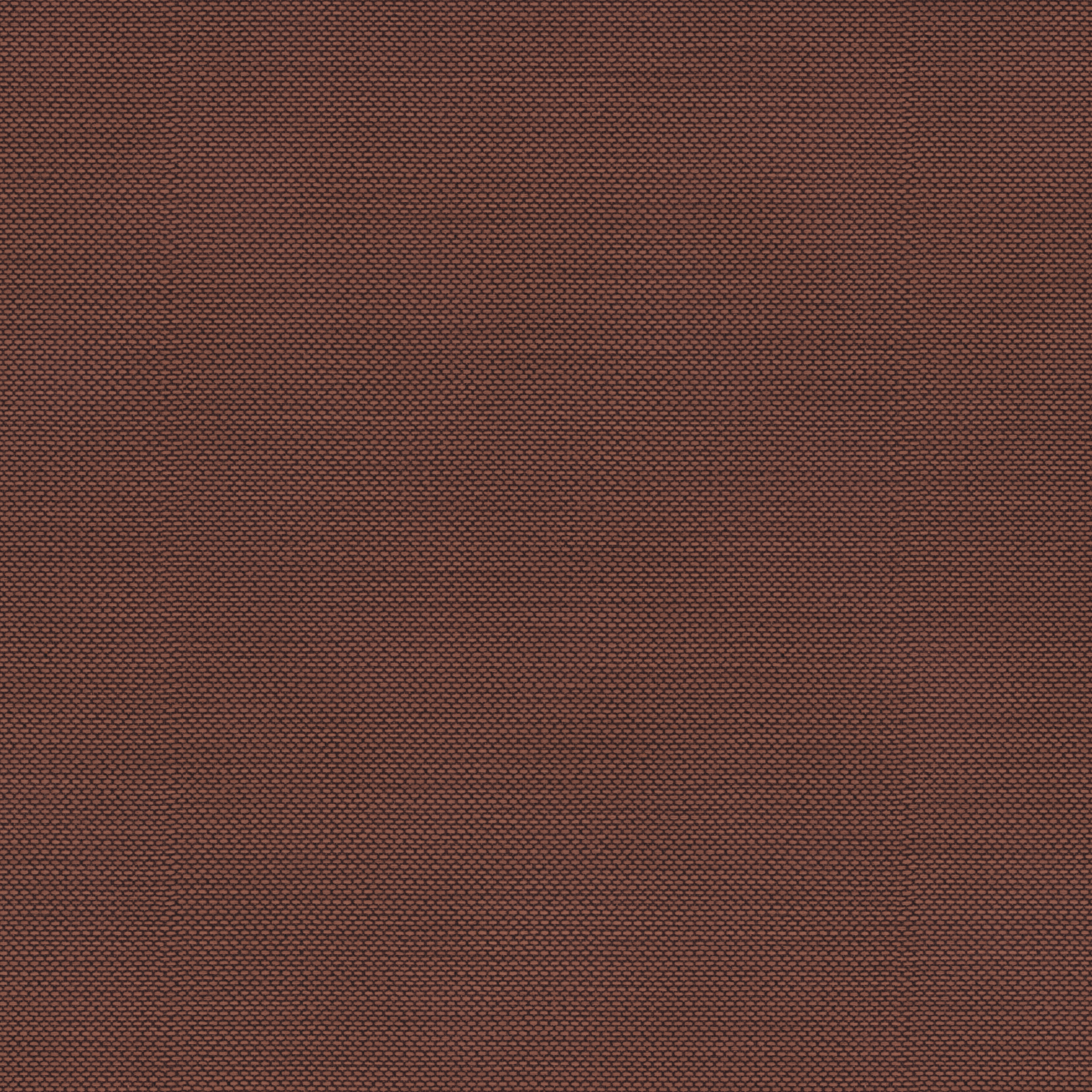
Re-wool Aubergine nr. 377
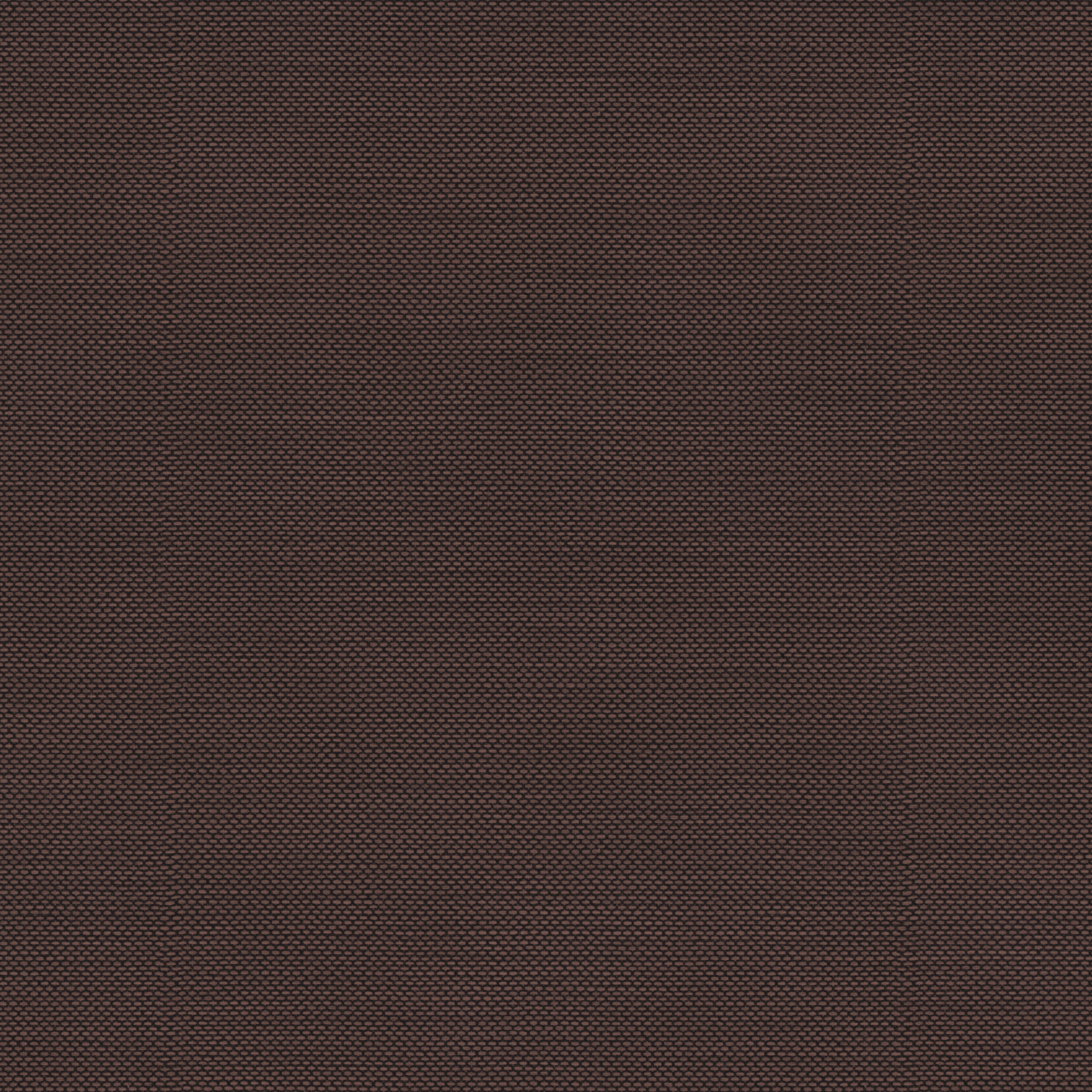
Re-wool Dark Brown nr. 397
Umber
PRICE GROUP 3
Umber is a classic wool fabric with an earthy, heathered color play that softens the look of the furniture and creates a calm, poetic effect.
Specifications:
Composition: 85% wool / 15% polyamide
Martindale: 200.000
Pilling: 4-5
Light fastness: 5-6
Certification: EU Ecolabel and Oeko-tex® standard 100
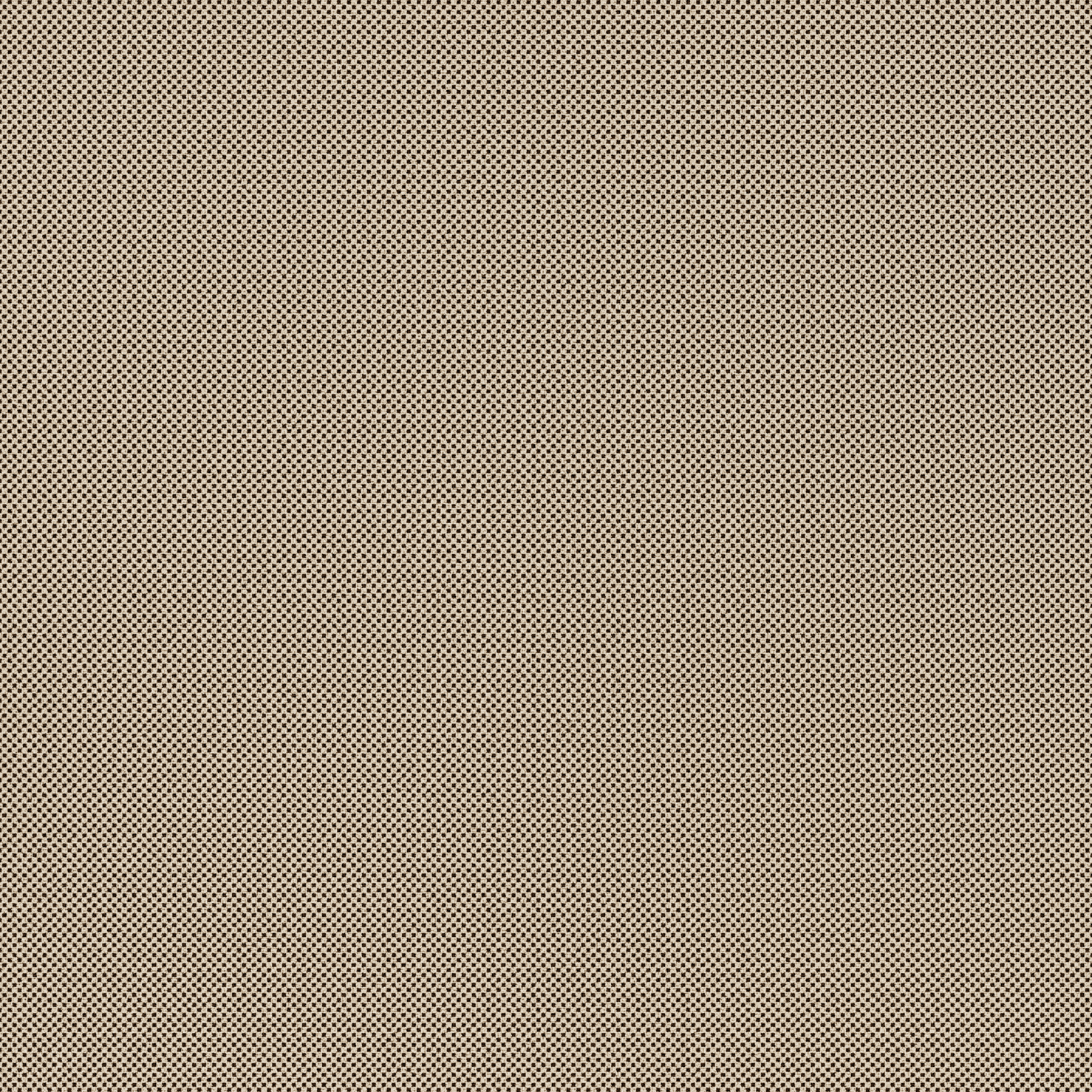
Umber Beige nr. 61265
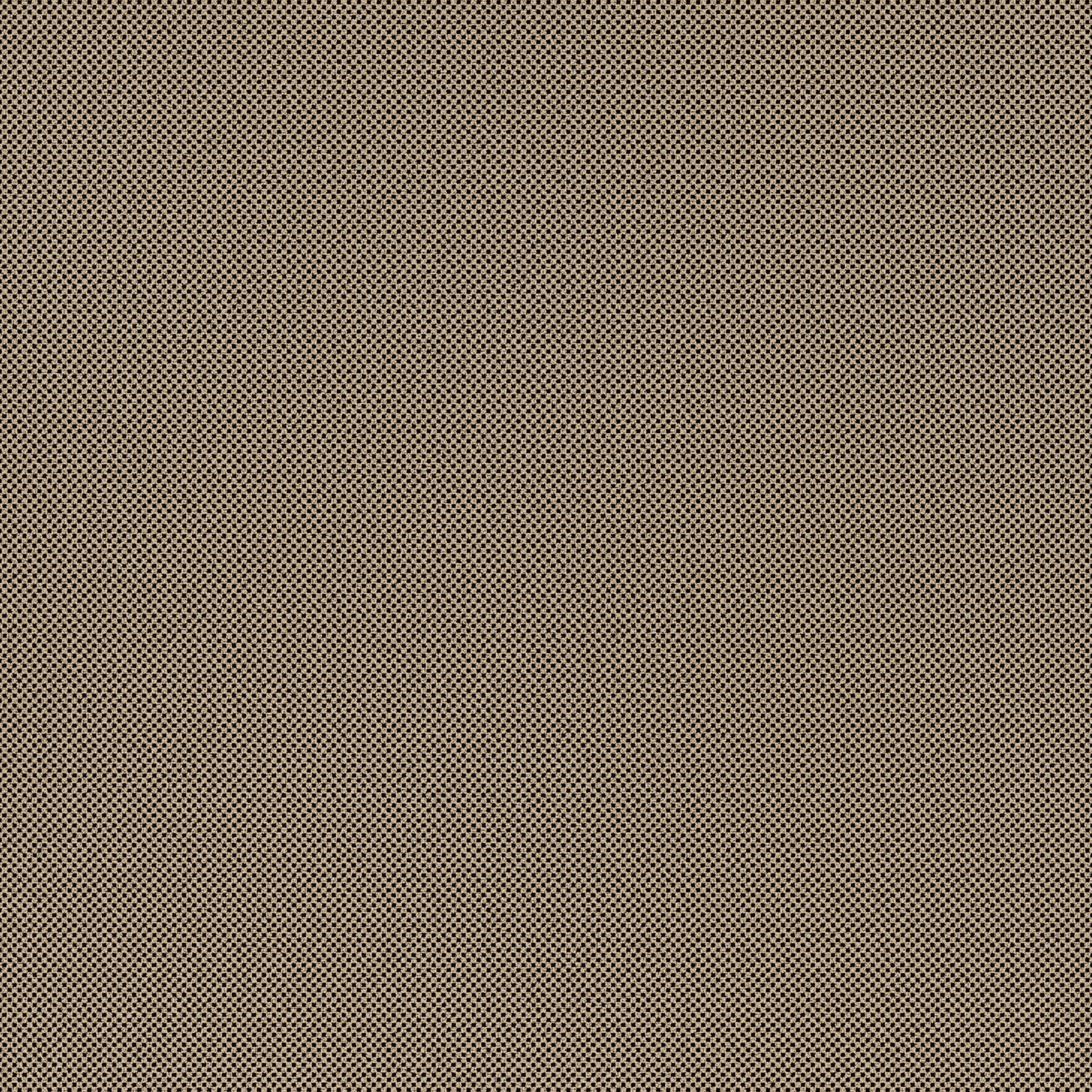
Umber Brown nr. 61278
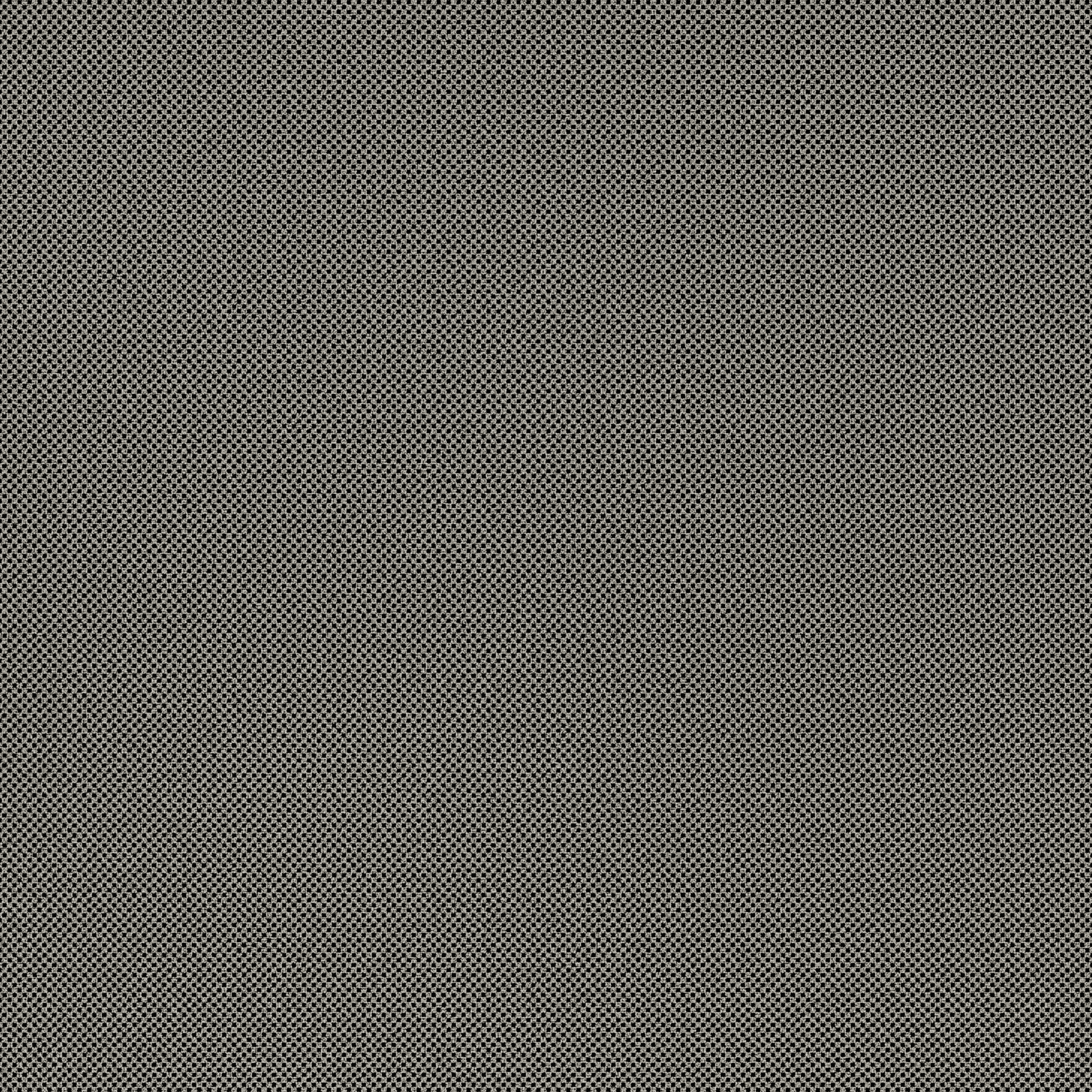
Umber Dark Brown nr. 61275
MARGRETHE
Price group 2
Margrethe has just the right beige color that is so popular in interior design right now. The two colors in the weave complement each other perfectly and create a beautiful play. The fabric type is woven from 70% recycled wool and 30% polyamide, which gives a soft and luxurious surface. With Margrethe, you get both a popular expression and a very high wear resistance. Perfect for those of you who dream of wool that doesn't scratch.
Specifications
Composition: 70% Recycled wool, 25% Polyamide, 5% Mixed fibers
Martindale test: 250,000
Piling: 4-5
Light fastness: 4-5
Margrethe is not suitable for pets.
As the type of fabric is woven from small stitches, there is a risk of loose threads.
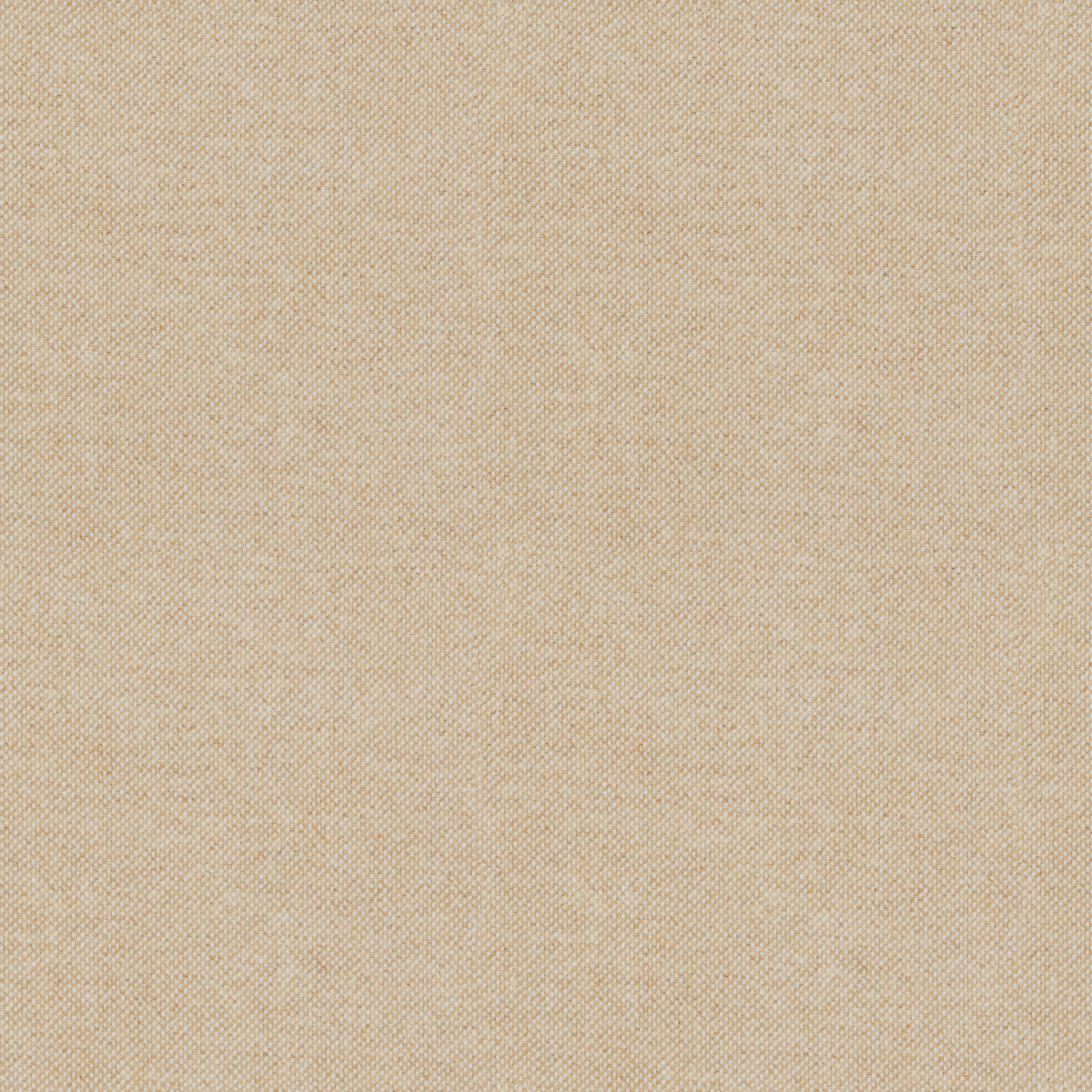
Margrethe Beige nr. 01
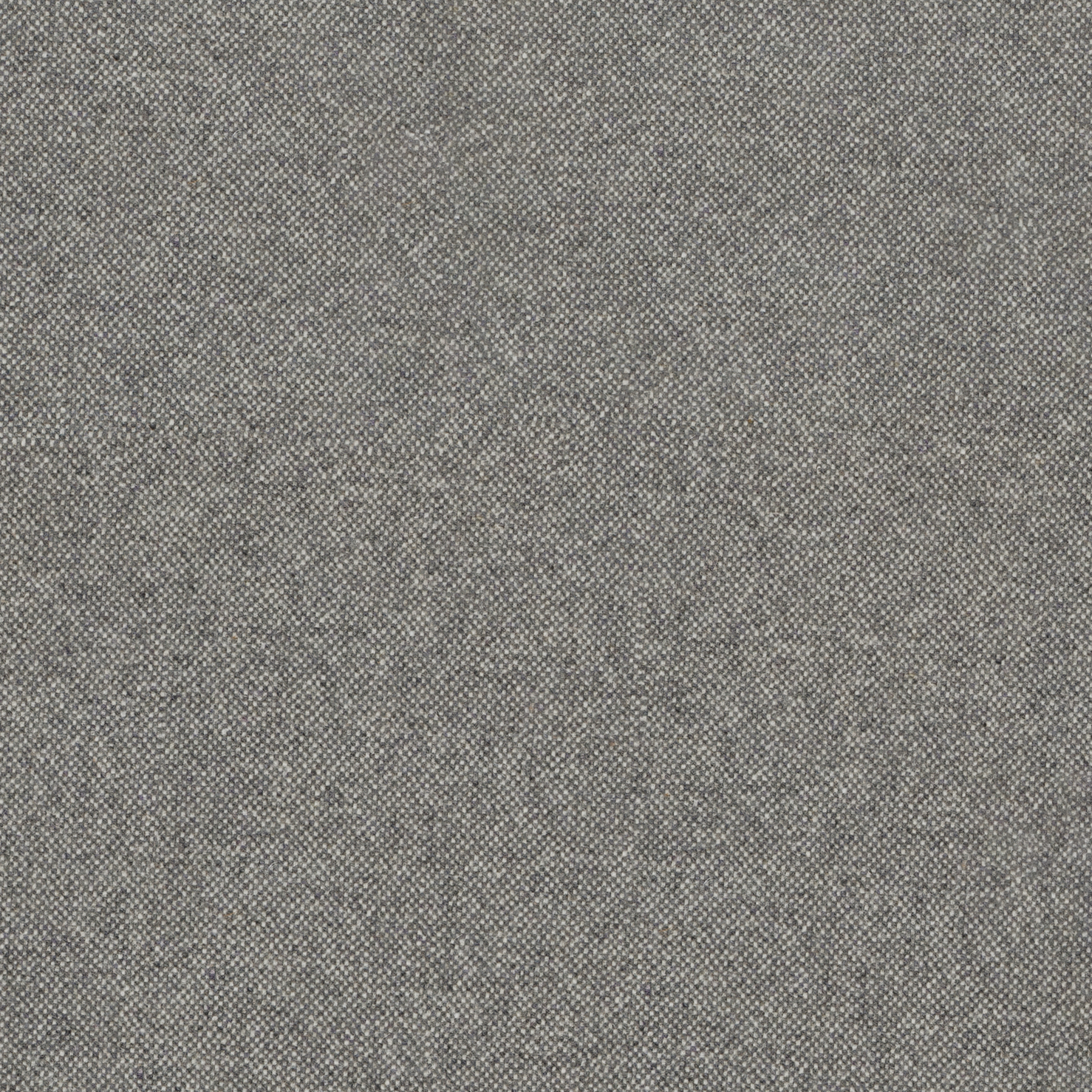
Margrethe Grey nr. 02
VIDAR, Kvadrat
Price Group 5
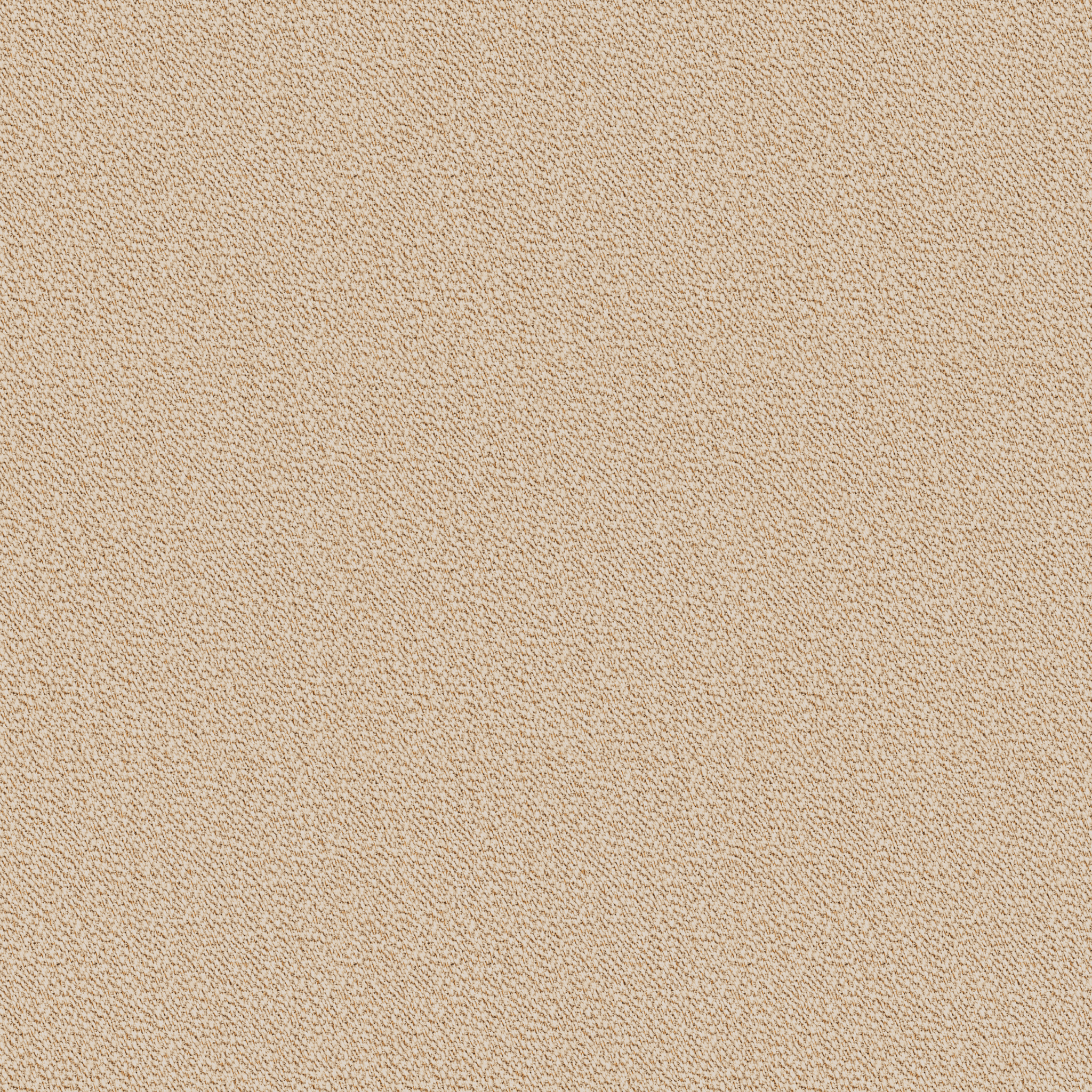
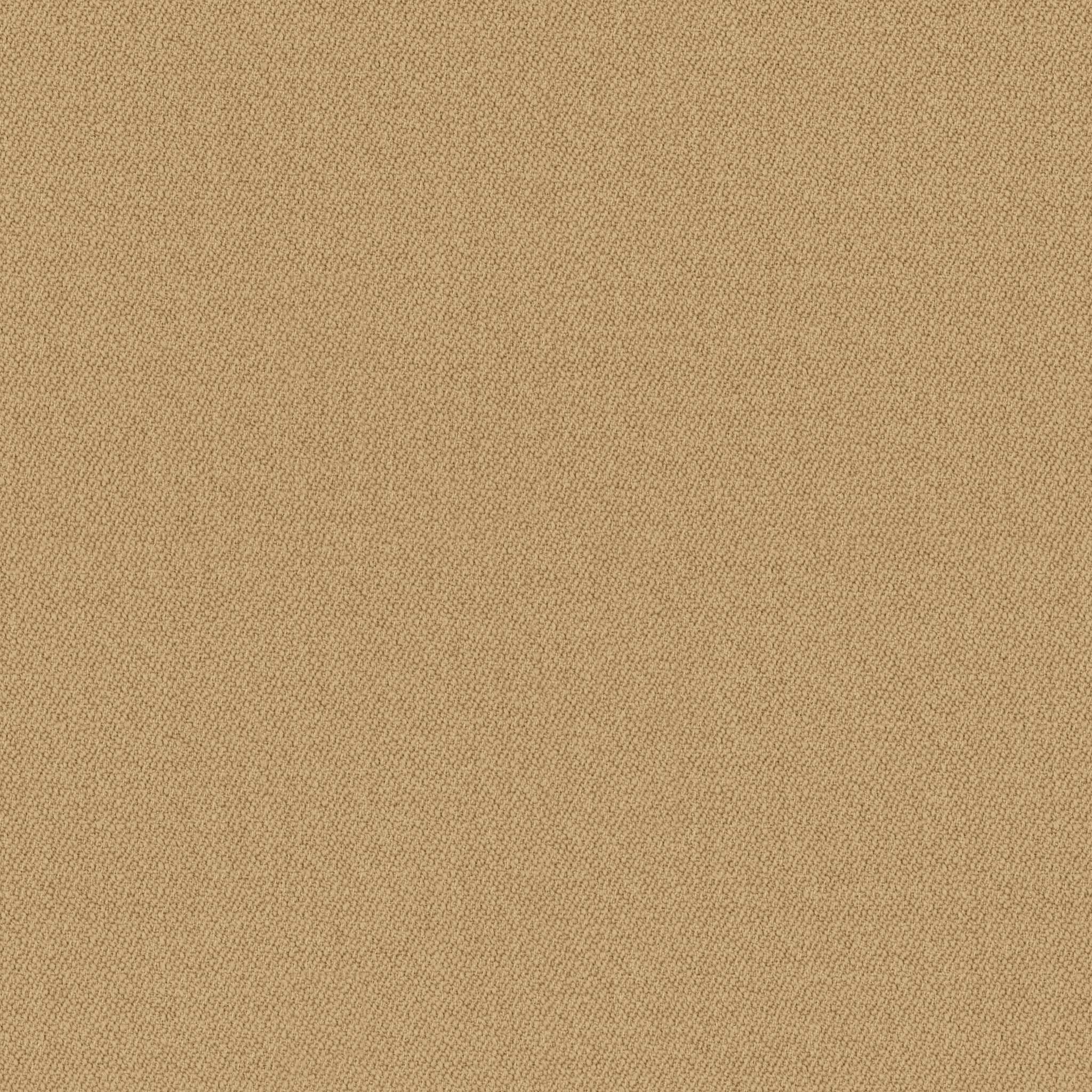
Vidar is one of the most iconic and exclusive fabrics from the Danish company Kvadrat. The densely woven wool textile has a characterful, bouclé-like structure. The colors are uniform, and the surface is lively with a beautiful play that gives the furniture depth.
Specifications:
Design: Fanny Aronsen
Composition: 94% new wool, 6% nylon
Martindale: 100.000
Pilling: 4
Light fastness: 7
Certification: EU Ecolabel
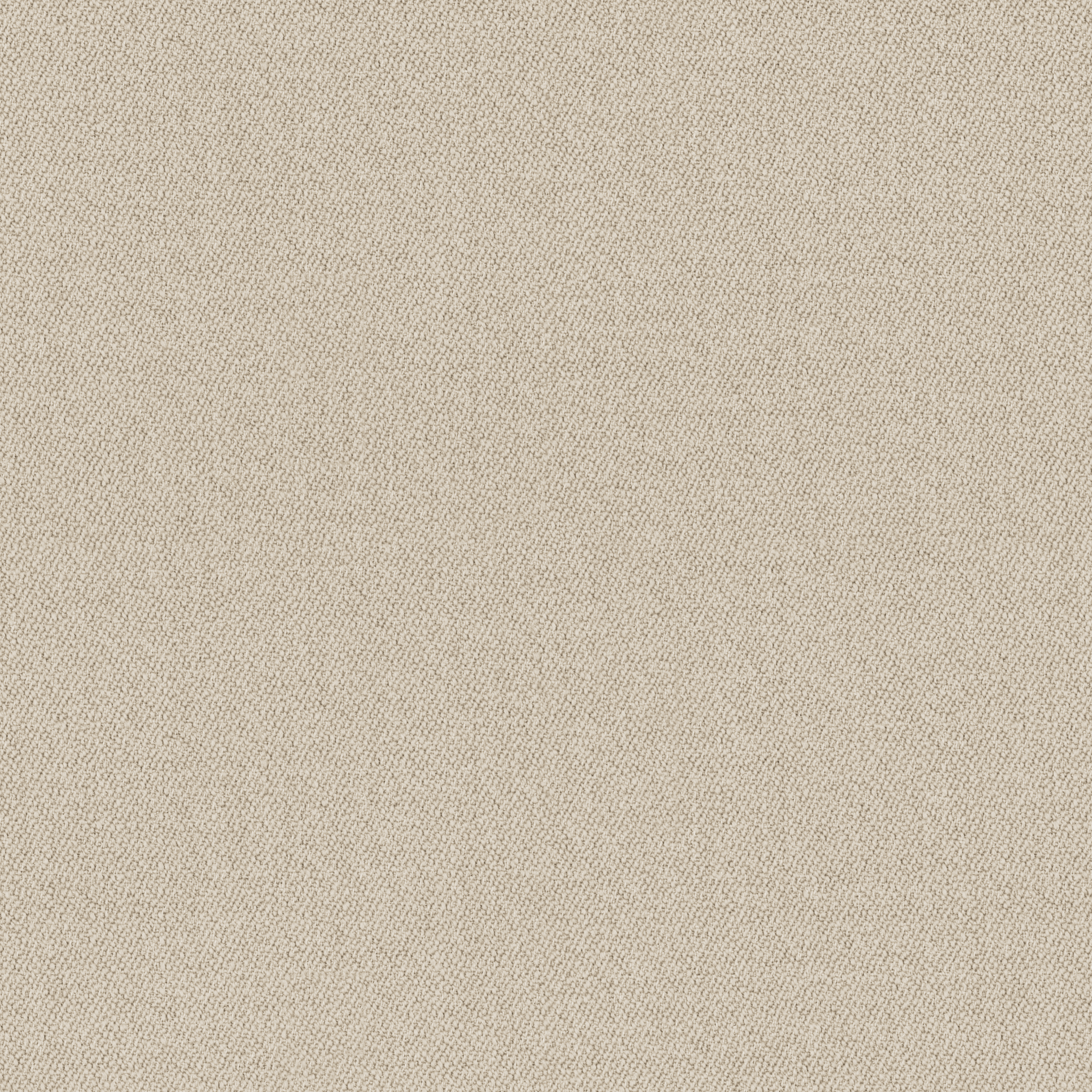
Vidar Greige 222
Vidar Warm Beige 323
Vidar Tan 333
FIORD, Kvadrat
Price group 3
Fiord from Kvadrat is a versatile textile with a subtle three-dimensional look. Fiord's construction combines a mottled yarn with a solid color yarn, creating pearl-like dots that play across the fabric's surface. This sophisticated expression reflects an important source of inspiration behind the design: moonlight that sparkles like pearls on the rippling water of a Norwegian fjord.
Specifications
Designed by: Louise Sigvardt
Composition: 92% new wool, 8% nylon
Martindale test: 60,000
Piling: 4-5
Light fastness: 6
Fiord is not suitable for pets.
As the type of fabric is woven from small stitches, there is a risk of loose threads.
TWILL WEAVE, Kvadrat
Price group 5
Twill Weave from Kvadrat brings a contemporary interpretation to the classic woolen twill upholstery textile. It is constructed with a traditional twill weave, using careful manufacturing processes to ensure exceptional color accuracy.
Each colorway for Twill Weave has two tone-on-tone colors. These are combined to reflect the actual colors of minerals, metals and ceramics from Harvard University's extensive material collection.
Specifications
Designed by: Jonathan Olivares
Composition: 90% new wool, 10% nylon
Martindale test: 60,000
Piling: 3-4
Light fastness: 5-7
Twill Weave is not suitable for pets.
As the type of fabric is woven from small stitches, there is a risk of loose threads.
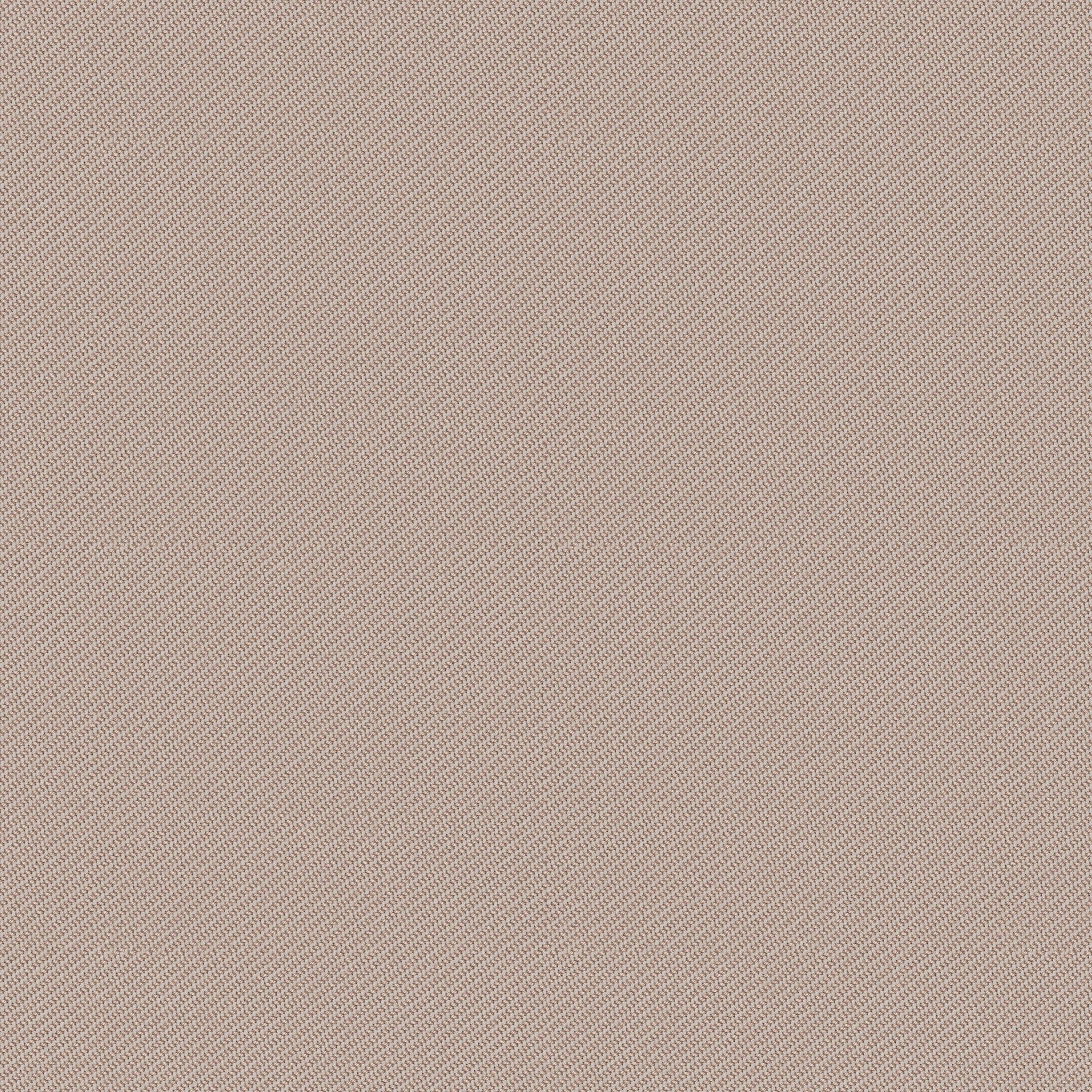
Twill Weave Greige nr. 230
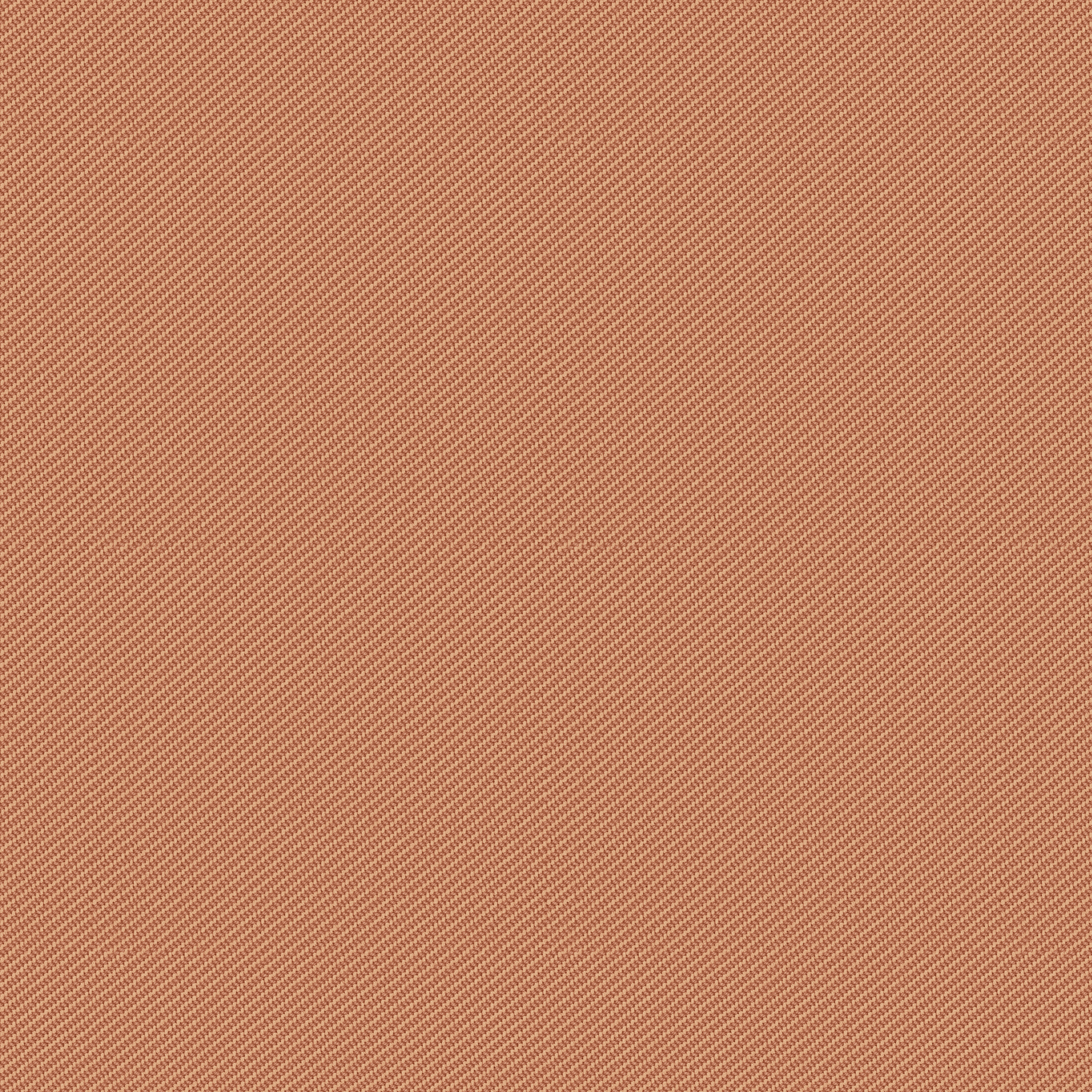
Twill Weave Rust nr. 550
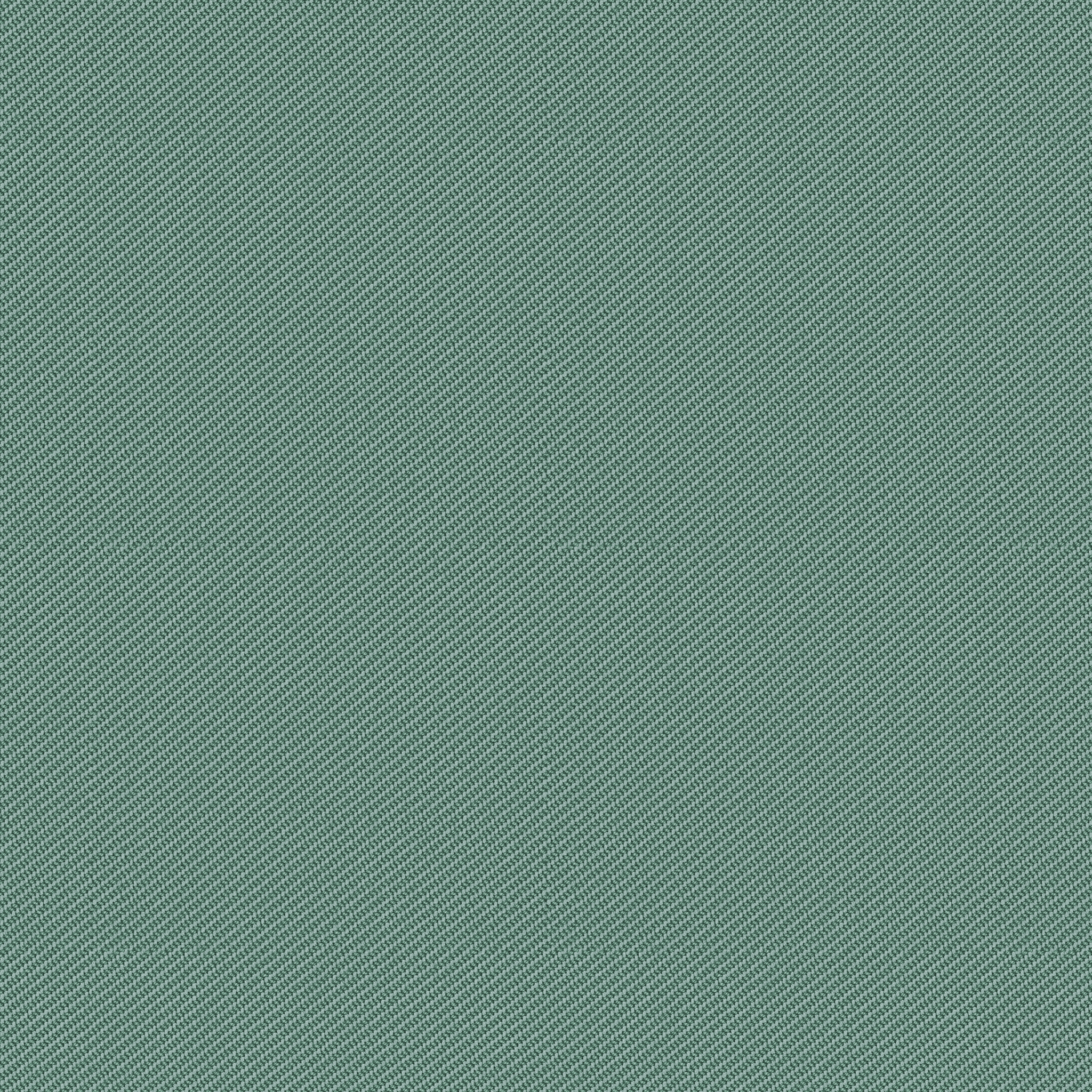
Twill Weave Dusty Green nr. 940